

A systematic review of the effectiveness and safety of pharmacological treatments for adult-onset Still’s disease (AOSD) supports the use of either IL-1 or IL-6 inhibitors.
A metanalysis was performed using databases, trial registries, conference abstracts and published papers between 2012 and 2023, to assess outcomes discontinuation of treatments, complications, and treatment-related adverse events.
A total of 44 studies assessed the value of NSAIDs corticosteroids (CS), conventional synthetic DMARDS, biologic DMARDs [including tocilizumab (TCZ), anakinra (ANK), and canakinumab (CNK)].
Three randomized controlled trials did not show statistically significant benefits of bDMARDs, but metaanalyses showed high remission and CS discontinuation rates. Specifically for each drug:
| TCZ | ANK | CNK | |
| Remission | 80% | 73% | 77% |
| Steroid D/C | 57% | 47% | 34% |
These data supports the use of either TCZ, ANK, and CNK therapy for AOSD. Yet the magnitude of effect and comparative effectiveness of treatments is uncertain.

Related Content
-
 November 1, 2023
Dr. Bella Mehta discusses abstract 1143, presented at the 2023 ACR Convergence meeting…
-
 October 14, 2022
Review of Adult-onset Still's Disease by Dr. Jack Cush, Executive Editor of RheumNow.com
-
 November 13, 2023
 -
 January 20, 2025
A multicentre registry observational study assessed lung involvement in a cohort of Still’s…
-
 June 8, 2023
 -
 May 24, 2017
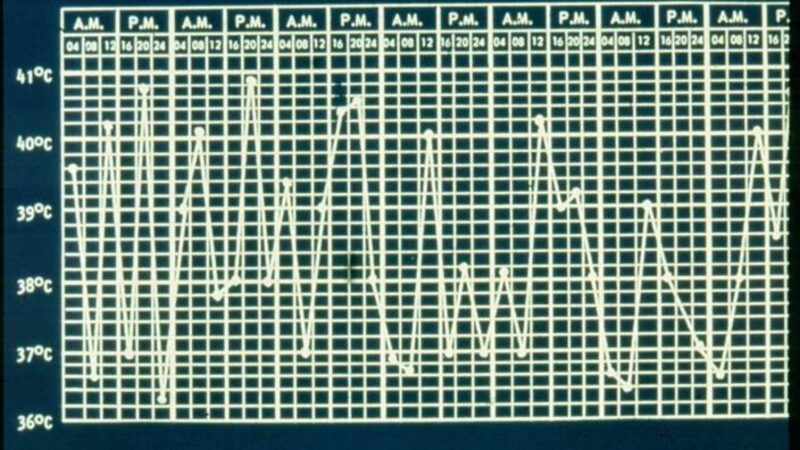
Adult-onset Still disease (AOSD) is usually regarded as an autoinflammatory disease, largely because…